


Table of Contents
- Understanding Childhood Emotional Abuse
- Identifying the Scars: Signs of Childhood Emotional Abuse
- The Impact on Adult Life
- Pathways to Healing: A Step-By-Step Approach
- Everyday Practices for Long-Term Healing
- Moving Forward with Hope
- Closing Thoughts
- The Bottom Line
- References
Key Takeaways
- The emotional scars from childhood abuse can profoundly influence adult life, manifesting as self-doubt and anxiety.
- Recognizing and validating past abusive experiences is essential for beginning the healing journey.
- Engaging with professional therapy and practicing self-compassion are crucial steps in recovery.
- Mindfulness, journaling, and community connection can provide ongoing support and aid healing.
- You can rewrite your present and embrace a future of authenticity and empowerment.
Understanding Childhood Emotional Abuse
While emotional abuse may not leave visible wounds like other forms of abuse, its impact can be profoundly damaging. The American Academy of Pediatrics identifies it as a range of behaviors—ignoring, dismissing, isolating, or berating—that harm a child’s psychological well-being. A 2014 study from the Journal of Emotional Abuse suggested that its effects might rival, or even exceed, the devastation caused by physical abuse.
You might pause to wonder why these psychological wounds tend to leave such persistent echoes into adulthood.
“Emotional abuse strikes at a child’s very essence, corroding their sense of worth and security. These early disruptions sculpt an adult’s understanding of self and world.”
— Dr. Sarah Chen, Clinical Psychologist at NYU
Identifying the Scars: Signs of Childhood Emotional Abuse
Spotting the scars is just the starting point. They can manifest as:
- Chronic Self-Doubt, where achievements never seem to assuage inner uncertainty.
- Boundary Issues, seen in the struggle to establish or respect personal limits.
- Emotional Dysregulation, with emotions like anger or anxiety arising without clear reasons.
- People-Pleasing Behaviors, the compulsion to win approval at the cost of personal well-being.
Such behaviors often stem from a child’s early adaptive strategies to meet needs for safety and acknowledgment.
The Impact on Adult Life
Growing up absorbing the message that one’s needs are secondary, adults might end up searching externally—through job success or partner validation—to fill that inner void. Just like Maya. It becomes an exhausting cycle of self-validation, often to the detriment of one’s mental health.
Research from the National Institute of Mental Health points to these formative experiences as precursors to issues like depression and anxiety in later life. If this resonates, know that simply recognizing these patterns is a pivotal step toward transformation.
Pathways to Healing: A Step-By-Step Approach
Healing from the pains of childhood doesn’t mean erasing the past. It means rewriting your present with empowerment and understanding. Here’s a potential roadmap:
1. Acknowledge and Validate Your Experiences
Facing the truth of past abuses is daunting. For too long, Maya dismissed her experiences as not severe enough to be “real abuse.” However, validation is a cornerstone for recovery.
“Recognizing and honoring your experiences breaks the cycle of doubt and lays a foundation for healing.”
— Dr. Sarah Chen, Clinical Psychologist at NYU
Why it’s Crucial: Validating your suffering affirms your history and emotions as important, fostering a sense of self-worth.
2. Seek Professional Guidance
Engage with therapists well-versed in childhood trauma; consider Cognitive Behavioral Therapy (CBT) or Eye Movement Desensitization and Reprocessing (EMDR). These are highly regarded methods for addressing emotional scars.
How it Helps: Such therapies aid in reshaping damaging thought patterns and lessening the grip of painful memories.
3. Reframe Negative Core Beliefs
Deep-seated beliefs like “I’m unworthy” can linger. Tackling them with professional help can make a significant difference.
Getting Started: Track instances where these beliefs arise, then consciously counter them. Instead of saying, “I’m unworthy,” remind yourself, “I’m deserving of respect and love.”
4. Cultivate Self-Compassion
Do you often criticize yourself harshly? Self-compassion advocate Dr. Kristin Neff advises treating oneself with the kindness extended to a friend.
“When you nurture your feelings rather than judge them, healing space is created.”
— Dr. Kristin Neff, Self-Compassion Advocate
Its Power: Self-compassion quiets the harsh critic within and encourages emotional recovery.
Everyday Practices for Long-Term Healing
Incorporate these everyday actions to support your healing journey:
- Mindfulness Meditation: This practice tethers you to the present, aiding in easing life-long anxiety. Apps like Headspace or Calm can guide you.
- Journaling: Expressing emotions through writing can be a powerful tool for self-discovery and reflection. Use prompts that help explore and make sense of your feelings.
- Empowerment Exercises: Activities like yoga or walking in nature can empower you to reclaim control over your body and life.
- Community Connection: Join support groups to find solidarity in shared experiences, whether online or in-person.
Moving Forward with Hope
Maya’s journey, though fraught with ebbs and flows, brought her back to herself. Your path might be winding, but remember, each step brings you closer to reclaiming your authentic self, beyond the scars. Healing isn’t about erasing the past but moving toward reconciliation with it.
When doubt arises, recall the courage it takes to embark on this voyage. Honoring and tending to emotional wounds speaks volumes about the strength and depth of your spirit.
Closing Thoughts
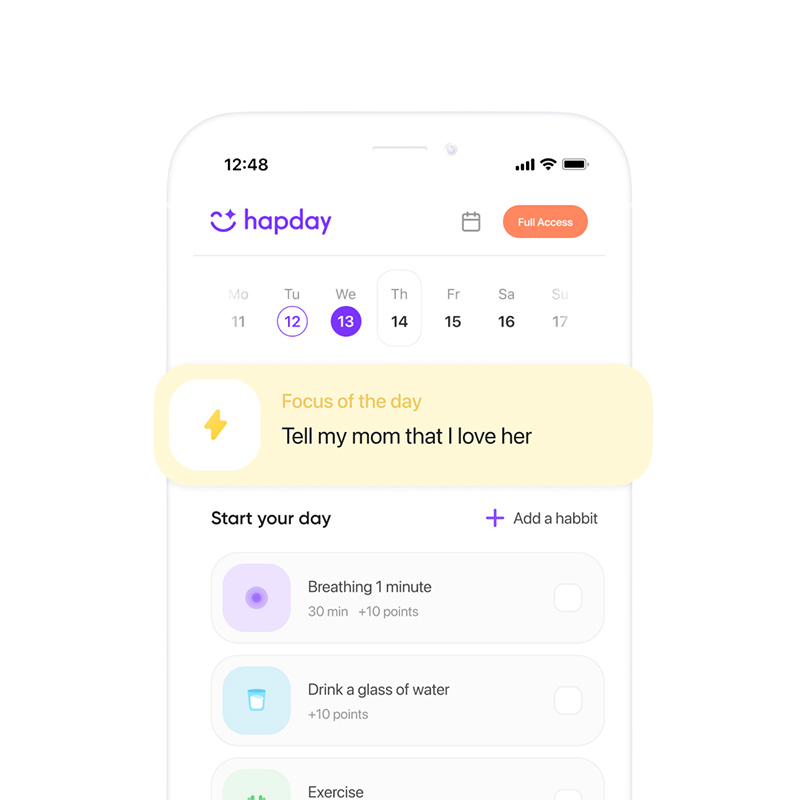
As you continue forward, consider embracing resources tailored to guide you through this journey. Discover personalized healing programs at hapday.me, designed to offer daily inspiration and professional insights. With determination, the promises of healing and happiness are within reach—and you deserve every bit of it.
The Bottom Line
In facing your past with knowledge, expert help, and kindness, you transform a distant hope into a tangible path forward. Your story is uniquely yours to author, filled with potential for healing and change.
References
- American Academy of Pediatrics
- National Institute of Mental Health
- American Psychological Association